Repairs & Emergencies · Tuscaloosa, AL
Garage door repair in Tuscaloosa for stuck, noisy and reversing doors
Door stuck, stopping short or grinding on the way up? We find which part is causing it, whether springs, rollers, track or opener, and fix that part instead of turning up the opener to force the door through.
- Answered 24/7
- Tuscaloosa, Northport and West Alabama
- Stuck, reversing or noisy doors
Updated October 2026
Most garage door repair in Tuscaloosa comes down to three systems: springs and cables, rollers and tracks, and the opener with its sensors. A door that feels heavy by hand points to the springs. One that lifts smoothly by hand but fails on the opener points to the opener. We test both before replacing anything.
Symptoms
What a door in need of repair looks and sounds like
Motor runs, door sits still
You hear the opener working but the door does not move, or it lifts an inch and stops.
Daylight under the bottom
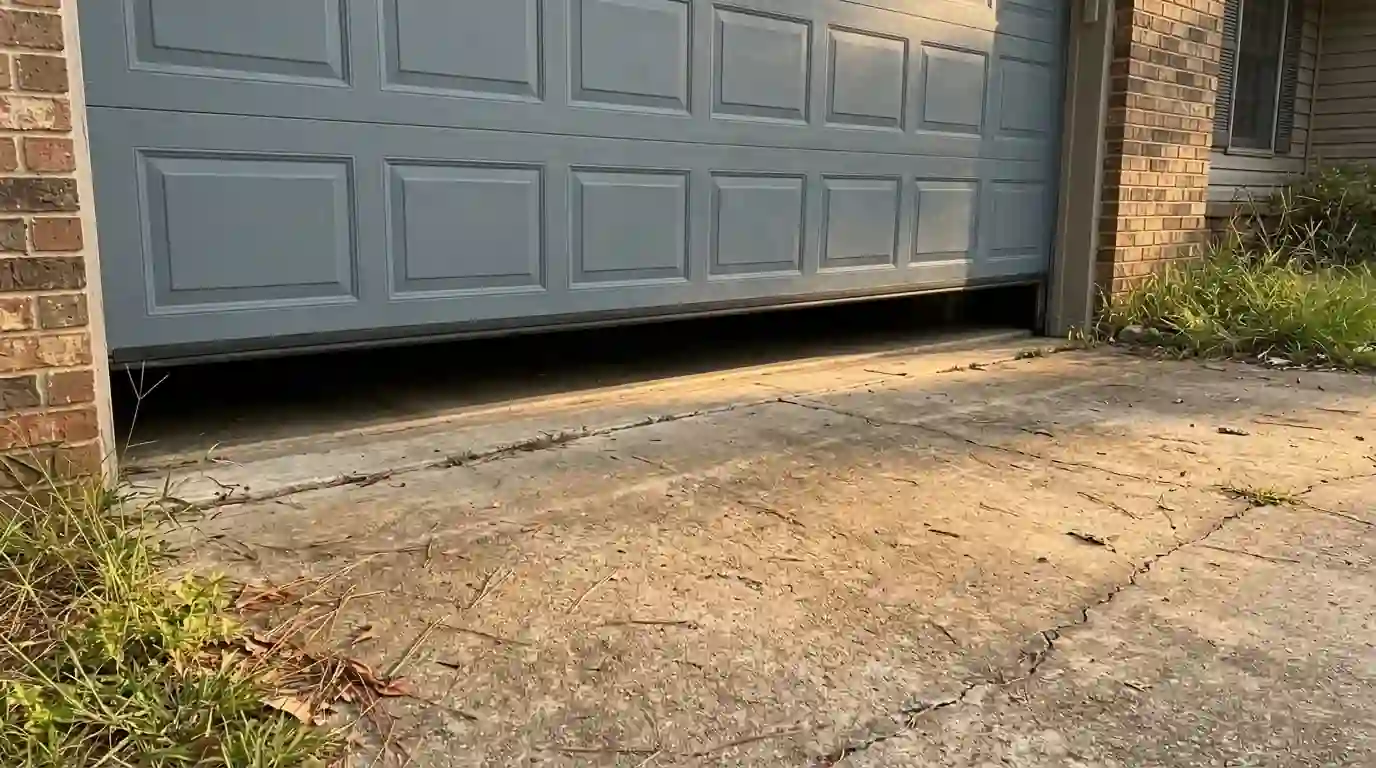
The door stops a few inches above the slab, letting in rain, leaves and insects.
Reverses for no reason
The door touches down or gets halfway, then heads back up while the opener light flashes.
Grinding, popping or squeal
Metal noise as the door travels usually means dry or worn rollers, loose hinges or a stripped gear.
Jerks or shudders
A door that moves in fits and starts is binding somewhere along the track or working against a weak spring.
Diagnosis first
Where most garage door faults actually start
The symptom often points the wrong way. An opener that strains is usually pulling a door that has lost its balance, and a door that reverses is often binding on a dry roller. Replacing the opener in either case leaves the real fault in place.
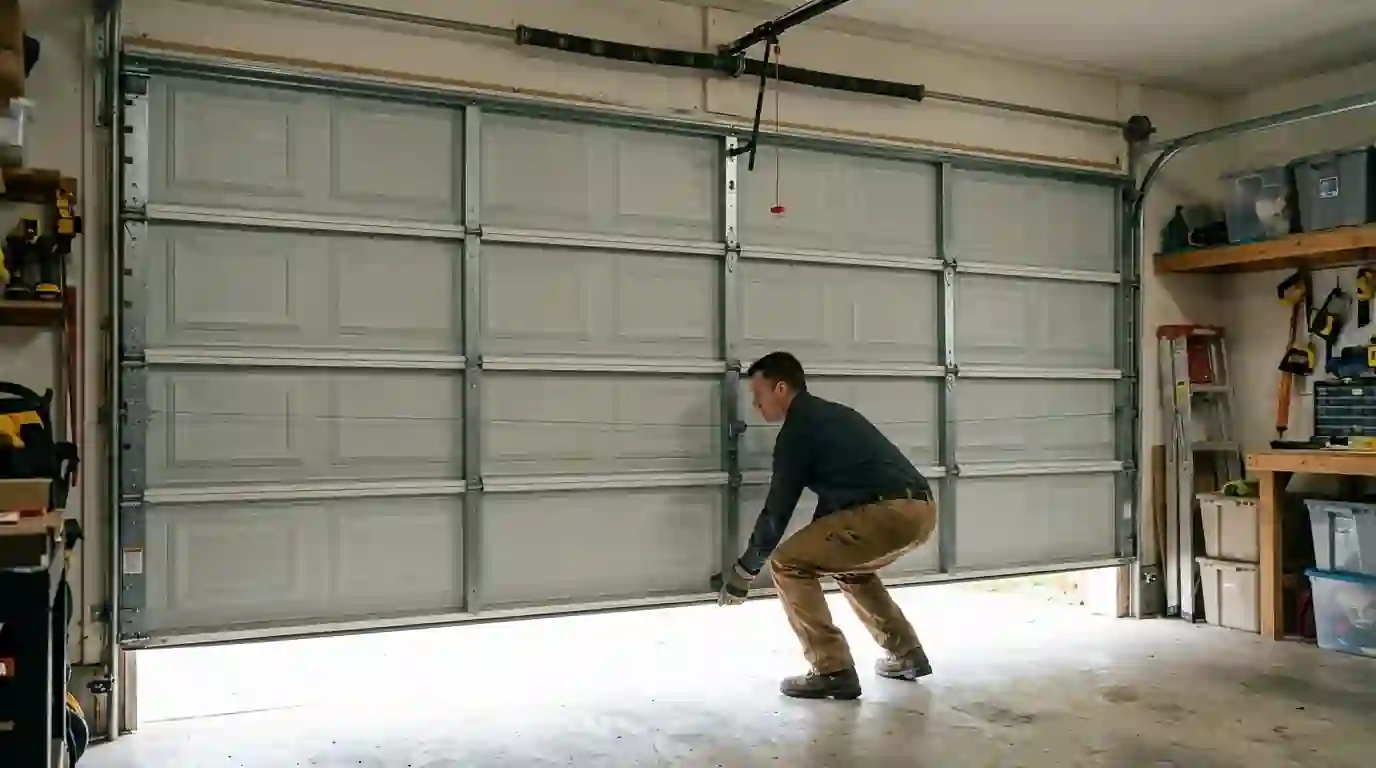
So we start with the door disconnected from the opener and lift it by hand. A balanced door rises with light effort and stays put halfway. If it is heavy, the springs need attention, covered on our spring replacement page. If it is smooth by hand, we turn to the opener.
On the visit
How we track down a garage door fault
Hear the symptom
You tell us what the door does, then we run it once to see and hear it.
Test it by hand
With the opener released, we lift the door to check balance and feel for binding in the tracks.
Fix the cause
The spring, roller, hinge, bracket, sensor or opener part at fault is repaired or replaced.
Reset the opener
Travel limits and force are set to the door, and the auto-reverse is tested.
Common repair calls
Door Will Not Open
Start with the simple causes. Many wall consoles have a lock or vacation button that blocks the remote, and some doors have a slide lock bar that stops travel completely. A tripped outlet leaves the opener silent. If the motor runs and the door stays put, the trolley may be released or a drive gear stripped. A loud bang earlier in the day usually means a spring, and then the door should stay shut until it is replaced.
Door Stops Short of the Floor
A door that stops a few inches above the slab usually has a down limit set short, often after a new bottom seal or a cold snap stiffened the old one. A bent track section or a frayed cable can also stop travel early. Cranking the limit down blindly can make the opener push into the floor, so we set it to compress the seal and no further, then check that the door still reverses.
Door Reverses Before Closing
If the opener light flashes as the door reverses, the photo eyes are not seeing each other: dirty lenses, a bumped bracket or a damaged wire. If the eyes are steady and the door turns back halfway, the opener is feeling too much resistance. Turning the force up hides that instead of fixing it. We find the bind, usually a dry roller, a crooked track or a spring losing tension, and correct it first.
Loud, Jerky or Grinding Door
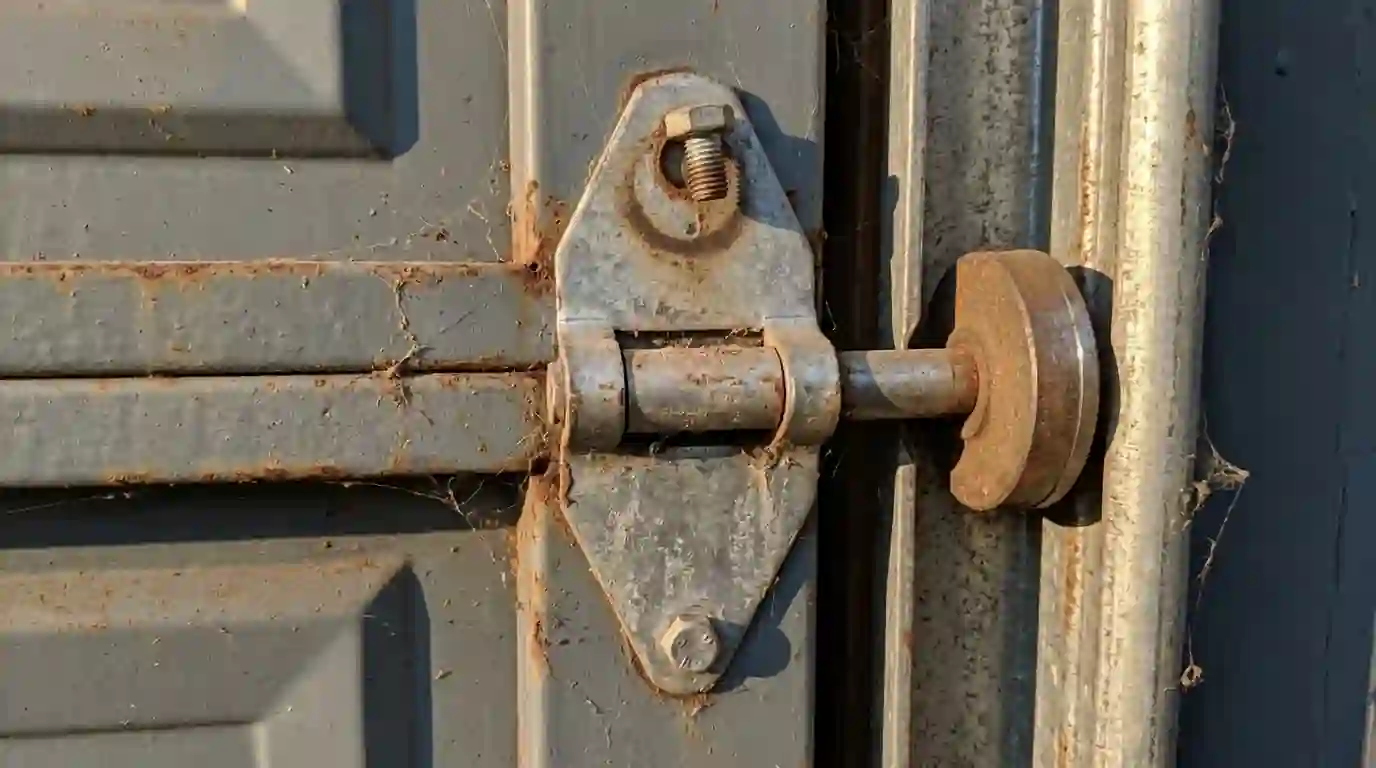
Noise is the door telling you which part is wearing. A squeal usually comes from dry roller bearings or hinges, popping from a loose hinge or a roller stem jumping in its bracket, and grinding from the opener's drive gear or a chain slapping the rail. We tighten the hardware, lubricate what should be lubricated and replace worn parts. Swapping old steel rollers for sealed nylon ones, covered on our worn roller replacement page, quiets most doors.
Tuscaloosa homes
Why so many Tuscaloosa doors come with no history
About 31.3 percent of residents moved in during the previous year, nearly double the metro rate of 16.9 percent, so many garage doors change hands with no history attached. New owners rarely know how old the springs are, or whether someone turned up the opener force to push through a sticking door. The city has grown from 99,600 at the 2020 Census to an estimated 114,316 in 2025, and with 42.9 percent of homes owner-occupied, many doors belong to landlords who never see them run.
Cost
What a typical garage door repair costs
Published ranges for common repairs.
| Job | Typical range | Source |
|---|---|---|
| Typical garage door repair (national) | $150 to $350 | HomeGuide |
| Normal repair range, HomeAdvisor | $155 to $379 | HomeAdvisor |
| Garage door repair, Atlanta average | $160 to $378 | Angi |
| Service call fee | $50 to $75 | This Old House |
Planning ranges from the publishers listed, not our quotes. You hear our price before work starts.
What moves the price
- Which part failed. A roller or hinge is a smaller job than a spring, cable or opener gear.
- How many parts. Worn rollers are usually replaced as a set, not one at a time.
- Door weight. Heavier double, wood and insulated doors need stouter hardware.
- Opener type. Belt, chain and wall-mount openers use different parts.
- Age of the door. Parts for older or discontinued doors can take longer to source.
Quick checks
Checks you can make before you call, and where to stop
Fine to do yourself
- Check the lock button on the wall console and the slide lock on the door.
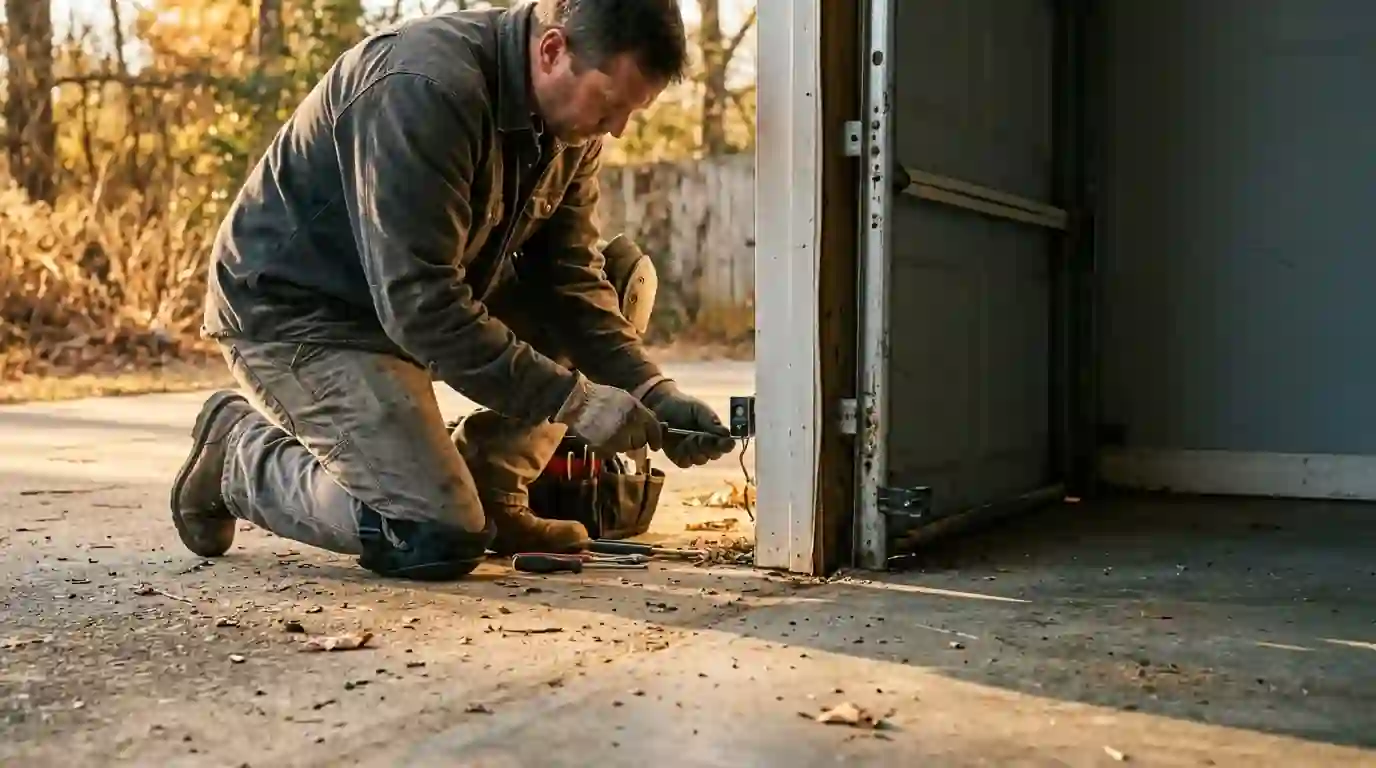
- Wipe both photo eye lenses and look for two steady lights.
- Reset a tripped garage outlet and try a fresh battery in the remote.
Leave these to a technician
- Adjusting spring tension or loosening winding cone set screws.
- Bending a track back into line with the door still hanging on it.
- Turning the opener force up to push a door through a bind.
Common questions
Garage door repair questions
The trolley may be released from the carriage, or the drive gear inside is stripped. Our opener repair in Tuscaloosa page covers both.
Only if they are cracked or worn oval at the pin. We check each hinge while the rollers are out.
The down limit is set past the floor, so the opener reads the slab as an obstacle. A small limit adjustment fixes it.
With the door closed, pull the release and lift by hand. Heavy or binding means the door; smooth and light means the opener.
It cleans but does not lubricate for long. Use a garage door lubricant on hinges, bearings and springs, not the tracks.
With a full check of balance, hardware and opener settings. A tune-up covers all three in one visit and gives you a baseline.
Often, if the sections are sound. Our guide on whether to repair or replace a garage door walks through the decision.
The door lifts with light effort, holds halfway, runs without grinding and reverses when it meets a board laid flat under it.
Related work
Other repairs & emergencies jobs
Emergency Garage Door Repair
Door stuck open, car trapped or a cable hanging loose in Tuscaloosa?
Read about itOff-Track Garage Door Repair
Garage door crooked or jammed with a roller out of the track in Tuscaloosa?
Read about itGarage Door Panel Replacement
Dented or cracked garage door section in Tuscaloosa?
Read about it